
Project overview
Objectives, scope, and technical context.
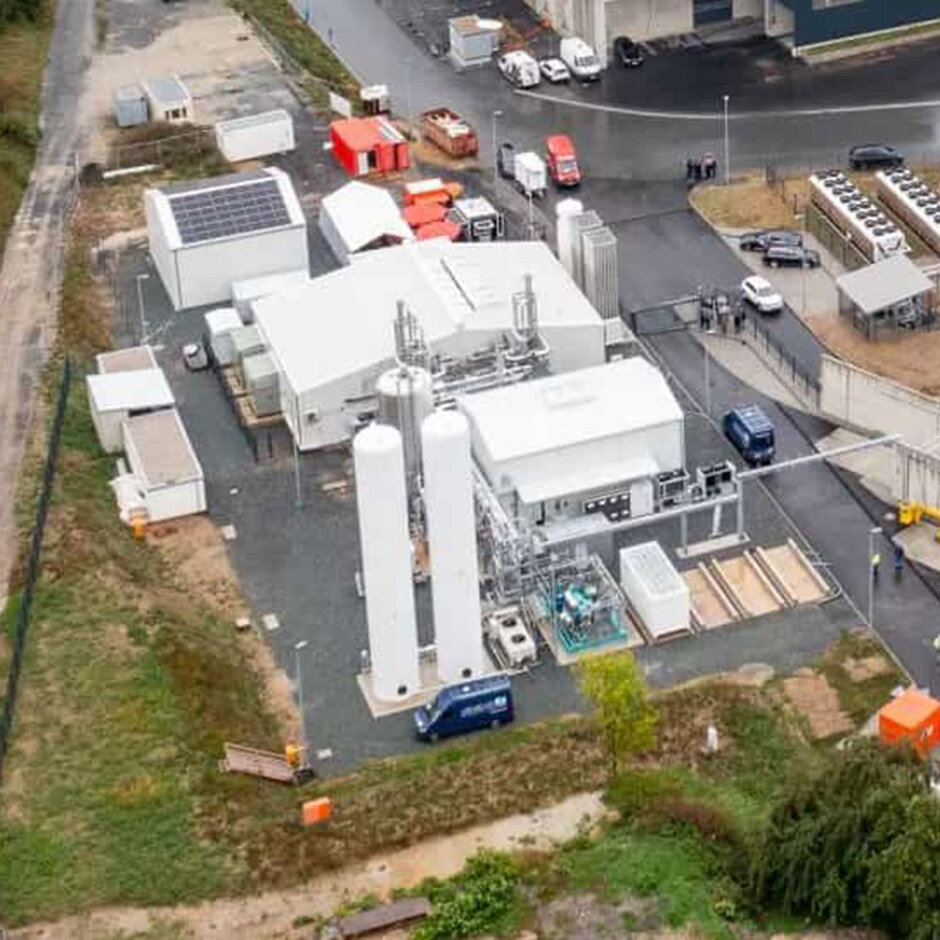
With the commissioning of the hydrogen production plant at Wunsiedel Energy Park, one of the largest facilities for producing green hydrogen in Germany went into operation.
The PEM electrolysis plant, digitally planned and realized by Siemens Energy, has a total electrical output of 8.75 MW and produces up to 1,350 metric tons of green hydrogen annually from renewable energy sources. Power is supplied by regionally generated wind and solar energy.
The hydrogen produced is used primarily by industrial and commercial businesses in the region. It also serves as an energy carrier for applications in the mobility sector and in other areas of the regional energy supply. The goal of the project was to build a high-performance hydrogen infrastructure and further expand the use of renewable energy through flexible hydrogen storage and supply.
The engineered solution
Technical, operational, and infrastructural.
A hydrogen storage solution was implemented for the plant, serving as the central interface between production and use. The storage vessels enable the safe stockpiling of the hydrogen produced and create the flexibility needed to decouple supply and demand over time.
By integrating the storage technology, the hydrogen produced can be supplied on a demand basis and directed to different consumers. The solution thus supports both industrial applications and use in mobility and energy projects, making a substantial contribution to the stability and efficiency of the overall system.
The challenge
Technical and regulatory core requirements.
The production of green hydrogen from renewable energy requires a storage solution that offsets fluctuating production volumes and ensures a continuous supply. At the same time, high standards for operational reliability, availability, and integration into the energy system had to be met.
Particular challenges lay in designing the storage technology for large-scale hydrogen production and in selecting hydrogen-compatible materials. A durable and cost-effective solution for continuous operation was required.
VAKO’s contribution
Engineering and fabrication – all from VAKO.
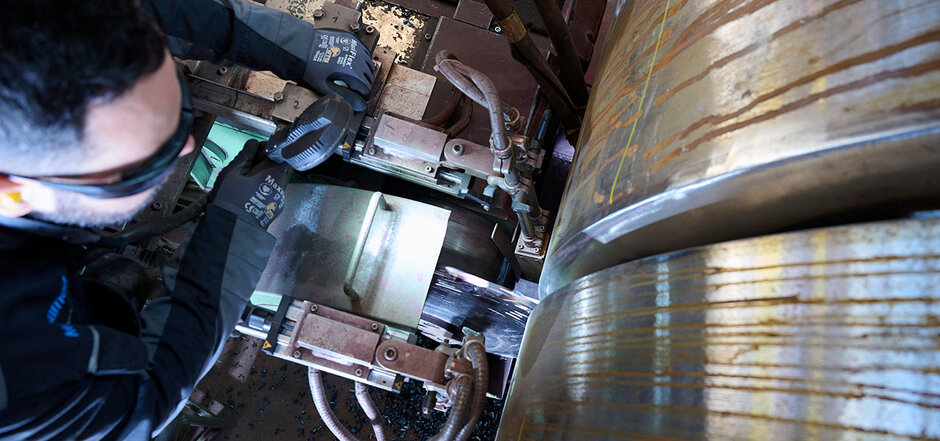
VAKO supplied the hydrogen storage vessels for the project and supported implementation with comprehensive expertise in vessel construction.
From the technical design through production to quality-assured implementation, VAKO delivered a storage solution tailored to the requirements of Wunsiedel Energy Park. In doing so, VAKO makes an important contribution to the safe storage and reliable supply of green hydrogen within one of Germany‘s most significant hydrogen projects.
Results and added value
Reliable performance and long-term benefits.
Wunsiedel Energy Park represents one of the largest facilities for producing green hydrogen in Germany. The project demonstrates how renewable energy, hydrogen production, and storage technology can be combined into a high-performance overall system.
The VAKO hydrogen storage vessels make a central contribution to the plant‘s operational reliability, flexibility, and efficiency. The project serves as a model for building regional hydrogen infrastructure and shows how the energy transition can be successfully implemented with reliable storage technology.
